
Hebrews 10:19-20 We can boldly enter heaven’s Most Holy Place because of the blood of Jesus. By his death, Jesus opened a new and life-giving way through the curtain into the Most Holy Place.
Mark 15:37-38 Then Jesus uttered another loud cry and breathed his last. And the curtain in the sanctuary of the Temple was torn in two, from top to bottom.
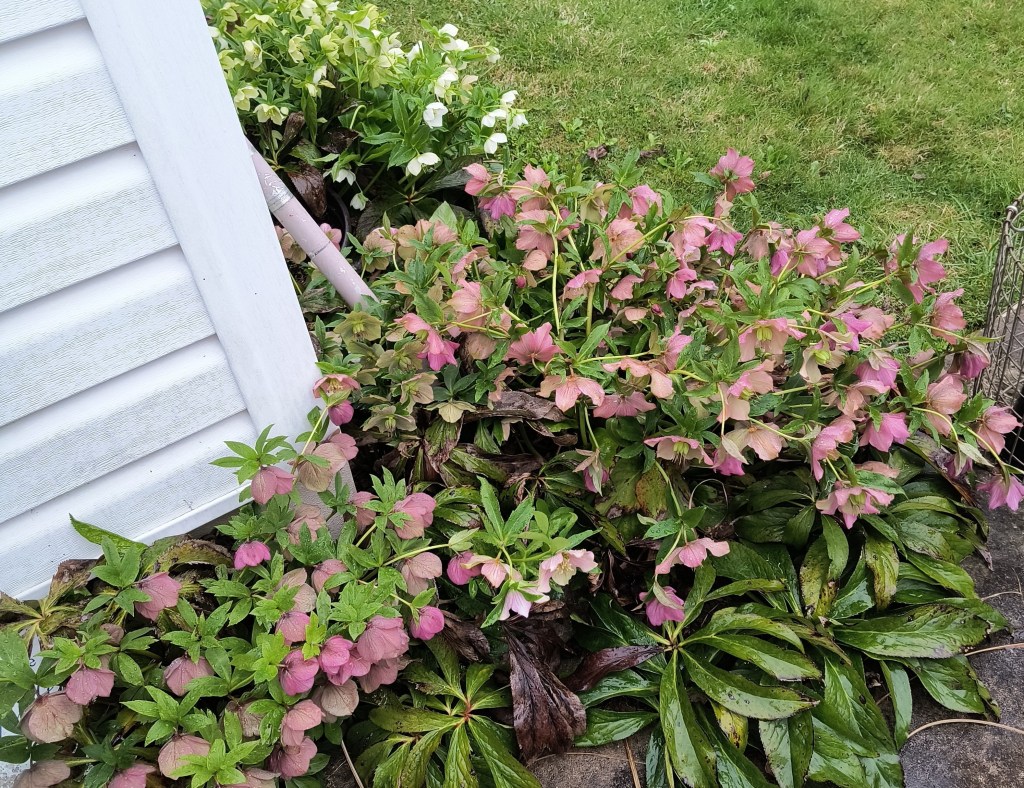
Our Lenten roses are still blooming, reminding me that the confessional life we practiced during Lent is meant to be not a fad but a lifestyle.
“Grammy, if it’s spring, why is it snowing?” asked six-year-old Caleb when he got off his school bus a couple of weeks ago.
“Caleb, we’re going to look for signs of spring!” his four-year-old sister Talita told him. “Come on!”
They didn’t stop at ten, the number I had suggested. They found sixteen signs of spring in their yard. And each time since that I’ve gone to their house, they’ve shown me more.
In this hemisphere, spring is associated with Easter. It’s a natural fit: the celebration of new life. In Brazil, though, Easter comes as fall begins to ease the heat of summer. Jesus is truly a man for all seasons.
Since I’m in Pittsburgh, though, I’ve been thinking about new things. A quick survey of the New Testament revealed references to 33 new things (plus repeated references) in the NLT New Testament. For this brief Easter season (which ends with Pentecost on May 19), I’m going to choose a few of those to highlight, beginning today with one of the consequences of Jesus’ death and resurrection: direct access to God.
This was a completely new concept for Jews steeped in God’s holy inaccessibility. God’s Presence filled a small space in the Temple protected by a thick curtain (9cm/3 ½ inches thick, according to Jewish tradition). Hebrews 9:7-8 reminds us that “only the high priest ever entered the Most Holy Place, and only once a year … the entrance to the Most Holy Place was not freely open as long as the Tabernacle and the system it represented were still in use.” (See Luke 1 for a story about this. The chosen priest entered the Most Holy Place with a cord tied around his ankle, so his body could be pulled out in case he was struck dead by the holiness of God.)
I find the tearing of this 3 ½ inches-thick curtain, from top to bottom, one of the most startling and intriguing collateral events associated with Jesus’ death. Clearly, no human could have done this. Hebrews tells us that now we can “come boldly to the throne of our gracious God” for his help and mercy (4:16). And Paul says our own bodies are now the Temple of God, where Christ dwells in us through the Holy Spirit (1 Corinthians 3:16, 6:19-20, 2 Corinthians 6:16). Think about that next time you’re tempted to abuse or misuse your body!
Jesus, through his incarnate life, brought God close to us. Through his death, he ended the separation between us and his Father. And in his resurrection and ascension, he left his Spirit to indwell, teach, nurture, guide, convict, gift, and empower us, growing beautiful fruit in our souls (Galatians 5:22-23).
What signs of new life do you find in the garden of your heart?
Let’s listen again to Kristyn Getty sing Before the Throne of God Above.
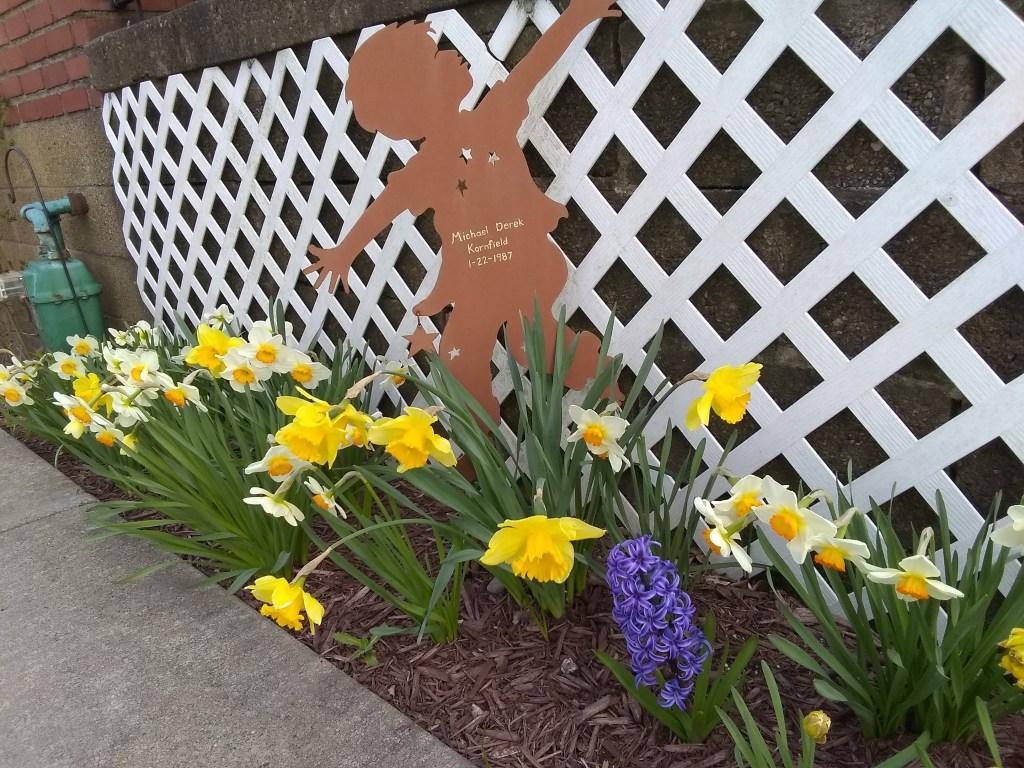
 Debra Kornfield