
But God grieves over us
Hosea 4:1, 3, 6, 7, 12, 18 The Lord has brought charges against you, saying: “There is no faithfulness, no kindness, no knowledge of God in your land … That is why your land is in mourning. … My people are being destroyed because they don’t know me. … They have exchanged the glory of God for the shame of idols. … Longing after idols has made them foolish. … They love shame more than honor.
Nearly three thousand years ago, long before writers like John Bradshaw and Brené Brown helped us understand shame, the prophet Hosea linked it with not knowing God, not understanding his compassion and love, his yearning for a close relationship with his beloved people.
Instead, in Hosea’s day, both leaders and ordinary people turned to idols [anything that takes God’s place in our hearts], pleasures, addictions, violence, unfaithfulness in relationships, sexual depravity, cheating, and other forms of robbery.
Has anything changed in the last three thousand years?
The Hebrew word Hosea uses is gâlôwn, translated shame in most English versions. Associated words are disgrace, confusion, dishonor, ignominy [public disgrace], reproach. This shame is vile, base, and despicable.
“My people are being destroyed because they don’t know me,” laments the Lord (Hosea 4:6, 2:20). “Oh, that we might know the Lord,” cries Hosea (6:3).
The kind of shame Hosea describes is extremely painful. Why would we choose shame rather than honor? Perhaps we fear God’s judgment? Fear the loss of things we’ve come to love? Fear rejection by others if anyone detects our true struggles? As Brené Brown often points out, shame thrives in secrecy, in darkness, in isolation. Shame flees when brought into the light. Yet we fear exposing our shame to God, to others, and even to ourselves, even though that’s the best way to be free from it.
A friend recently described to me her cycle of shame. She feels lonely, or disappointed, or betrayed. To ease those feelings, she escapes into her addiction, soothing herself with a temporary pleasure. When she comes out of that, she’s embarrassed and frustrated with herself that she gave in to a temptation that she knows is harmful to her health. When she’s alone, those feelings are so uncomfortable that she again buries them with her addiction. And on and on her cycle of shame spirals. When she’s with other people, her shame prevents her from indulging, and prevents her from finding help, because she doesn’t want to expose her struggle and become an object of pity or of disdain or of judgment.
Every one of us can relate. Each of us has our own way of trying to escape painful feelings. If we realize it’s not just us, maybe we can become more willing to let an understanding friend listen to our struggle. And go with us into the presence of God, who longs to heal us and show us his compassion—as my friend courageously did with me. And I with her.
This high priest of ours [Jesus] understands our weaknesses, for he faced all the same testings we do, yet he did not sin. So let us come boldly to the throne of our gracious God. There we will receive his mercy, and we will find grace to help us when we need it most (Hebrews 4:15-16).
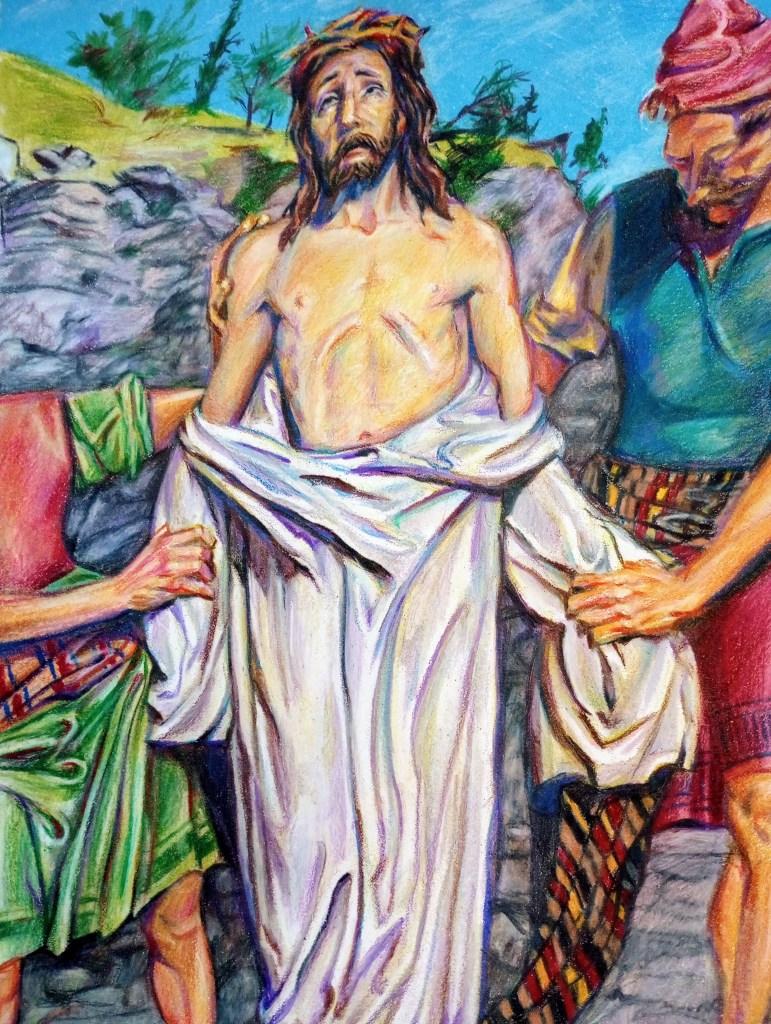
 Debra Kornfield