Isaiah 15:5, 7, 8, 16:2-5 My heart weeps for Moab … their cries of distress can be heard. … The people grab their possessions and carry them … A cry of distress echoes through the land from one end to the other. … The women of Moab are left like homeless birds. “Help us,” they cry. … Let our refugees stay among you. Hide them from our enemies until the terror is past.When oppression and destruction have ended … then God will rule with mercy and truth. He will always do what is just and eager to do what is right.
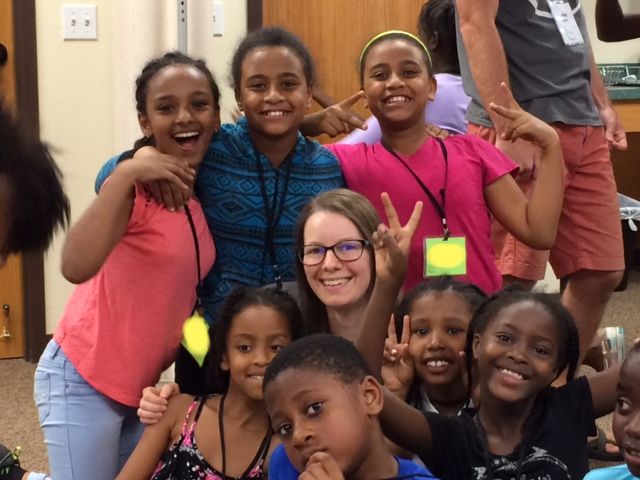
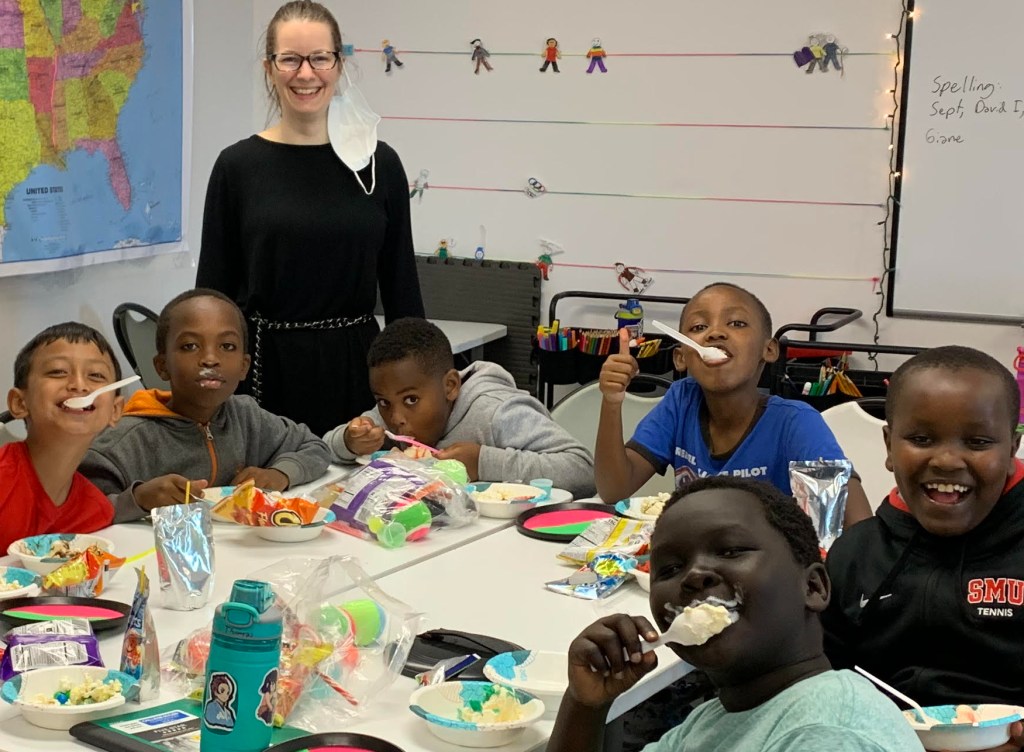
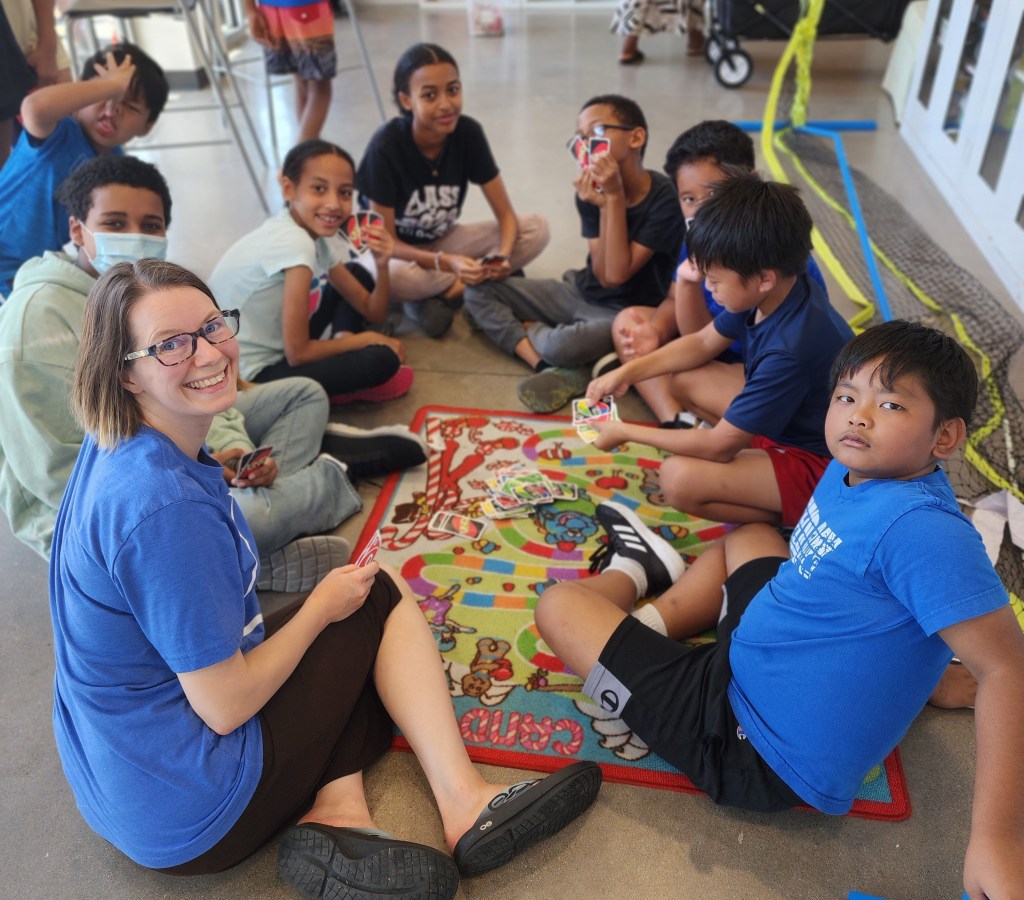
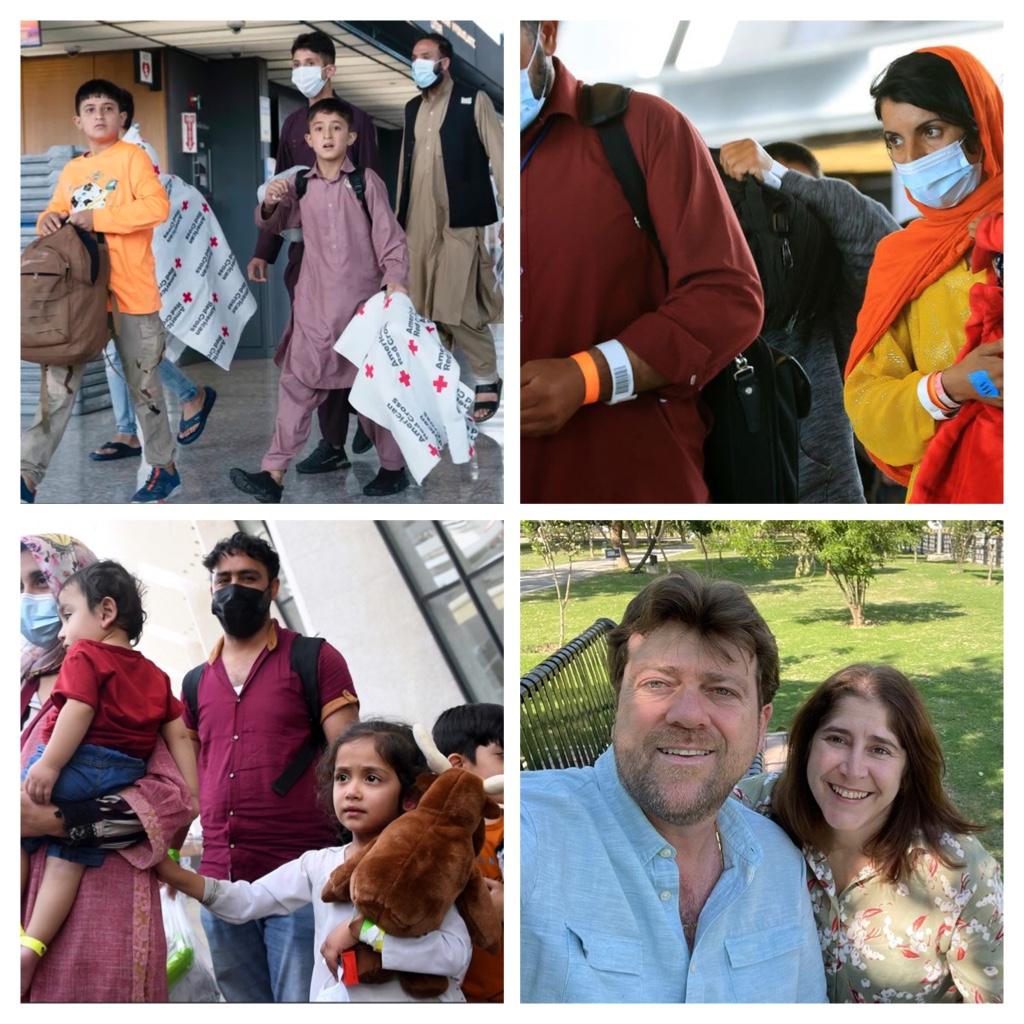
Since Isaiah continues the theme of refugees, I want to tell you about For the Nations, https://ftnro.org/ “Refugee Care that Changes Lives,” in Dallas, Texas. Our niece Claire Kornfield works fulltime with For the Nations teaching refugee children. Here’s what Claire says:
The nations are coming to us as refugees and God’s hand is at work in this. It is now shockingly easy to share the Gospel with people from cultures where Jesus is little known.
To understand this ministry, it is helpful to know what a refugee is. Refugees are people who were in grave danger in their home country. These dangers often arise because of race, religion, or politics. They flee from their home country and generally end up in refugee camps in a second country where they apply for refugee status with the United Nations. These camps can be very unsafe themselves. They usually remain in the camps for a minimum of a year and a half, but some have been known to be trapped there for 20 years. Some refugees are eventually, after much vetting, invited by the United States to come and live here as permanent, legal residents. This process of getting to the United States is very long and painful.
And it is just the beginning. Once they arrive here, they usually do not speak English. They also may not know how to read, drive, use a washing machine, go to the doctor, find a job, etc. They are given about three months of housing by the government (which they must pay back) and after that, need to provide for themselves.
This is very overwhelming and does not even touch on the traumas they have likely also endured. But it is exactly at this overwhelming and terrible moment that the people of God have the opportunity to be His hands and feet and welcome the sojourner.
At For the Nations: Refugee Outreach we do this by focusing on education, family services, and sharing the Gospel. For education, we offer English and GED classes for adults and accompanying preschool/childcare for their little ones. This helps the adults get jobs and prepares their young children for kindergarten. We also offer homework help for older children after school. And in the summer (my favorite time of year), we run a program that is something like a cross between summer school and vacation Bible school for about eight weeks.
Family services include: helping them find a job, get a car, learn to drive, understand what to do with speeding tickets, learn how the bus system works, learn how to get medical help, etc. At times family services involve helping protect refugees from those who would exploit them, such as teaching them their rights and helping them with wrongful evictions.
We try to include sharing the Gospel in all of our programs. As I’ve already said, this is surprisingly easy. The founder of For the Nations began by simply tutoring children after school at their apartment complex. She asked their parents if she could also tell the children about Jesus and they readily agreed. We have a time for a Bible lesson in our adult and children’s classes. Additionally, we have Bible studies for seekers or those who are already believers.
I really believe that refugees in this country are an example where “the harvest is plentiful, but the workers are few.” We have large wait-lists for our English classes and homework help program because we do not have enough staff or volunteers. These are missed opportunities of people who would willingly come and let us tell them about Jesus, but who we have to turn away; there are many such missed opportunities across this country.
Staff like me raise support like missionaries. We are able to do this missional work because churches and individuals partner with us in serving and sharing the Gospel. There are now many refugees in this country and what I want to say most is, “Seize the opportunity!” Maybe you can volunteer, tutor, teach, or befriend. And if you can’t, maybe you can support someone who does. I serve in Dallas and, personally, would be grateful for prayer or financial support (This link can be used for financial support: https://ftnro.org/claire/). However, it may be equally or more important to find or create services for refugees to support in your own city.
But God is passionately committed to fairness and justice
Isaiah 10:1-2 What sorrow awaits the unjust judges and those who issue unfair laws. They deprive the poor of justice and deny the rights of the needy among my people. …The Lord, the Light of Israel, will be a fire; the Holy One will be a flame. … In that day the Lord will end the bondage of his people. He will break the yoke of slavery and lift it from their shoulders.
Isaiah 9:7He will rule with fairness and justice from the throne of his ancestor David for all eternity.The passionate commitment of the Lord of Heaven’s Armies will make this happen! [See Matthew 1:1, 4:16, 28:18; Luke 1:32-33, 1 Corinthians 4:24-28]
Romans 8:21 With eager hope, the creation looks forward to the day when it will join God’s children in glorious freedom from death and decay.
Revelation 21:4 God will wipe every tear from their eyes.
How could we endure the daily news if not for the promises of passages like these? I don’t know about you, but for me it’s so overwhelming that I can develop a “thick skin”–compassion fatigue–to protect myself from feeling all the pain.
Yet if we’re aligned with God’s passion for justice, I think each of us has a part to play. A small part, that may feel completely insignificant. But that’s not the point of our obedience to what God calls each of us individually and as congregations to allow into our hearts, our prayers, our pocketbooks, our time and energy.
What is your small part?
Lyrics of Still Will I Love You (A Song for Refugees):
Give me strength, give me hope And I won’t suffer alone The God who was and is to come Break the silence with Your song Oh, oh, oh, ohh, I can hear You singing Oh, oh, oh, oh-ohh Give me justice, give me peace You are everything we need The God who made the sky and sea Of Your goodness, I will sing Oh, oh, oh, ohh, I can hear You singing Oh, oh, oh, oh-ohh, no, I won’t stop singing Oh, oh, oh, ohh, I can hear You singing Oh, oh, oh, oh-ohh Still will I love, still will I love Still will I love You more Still will I love, still will I love Still will I love You more
Matthew 2:13-15 After the wise men were gone, an angel of the Lord appeared to Joseph in a dream. “Get up! Flee to Egypt with the child and his mother,” the angel said. “Stay there until I tell you to return, because Herod is going to search for the child to kill him.” That night Joseph left for Egypt with the child and Mary, his mother, and they stayed there until Herod’s death.
Hebrews 11:13-16 All these people died still believing what God had promised them. They did not receive what was promised but they saw it all from a distance and welcomed it. They agreed that they were foreigners and nomads here on earth. … They were looking for a better place, a heavenly homeland. That is why God is not ashamed to be called their God, for he has prepared a city for them.
The UNHCR estimates the number of people forcibly displaced as 84 million, with 48 million internally displaced and over 26.6 million refugees. At least six million of those are Venezuelan, making Colombia the second-largest receiver of refugees (Turkey is first). Those numbers don’t fit in my head. A current Venezuelan refugee article describes some of the hardships.
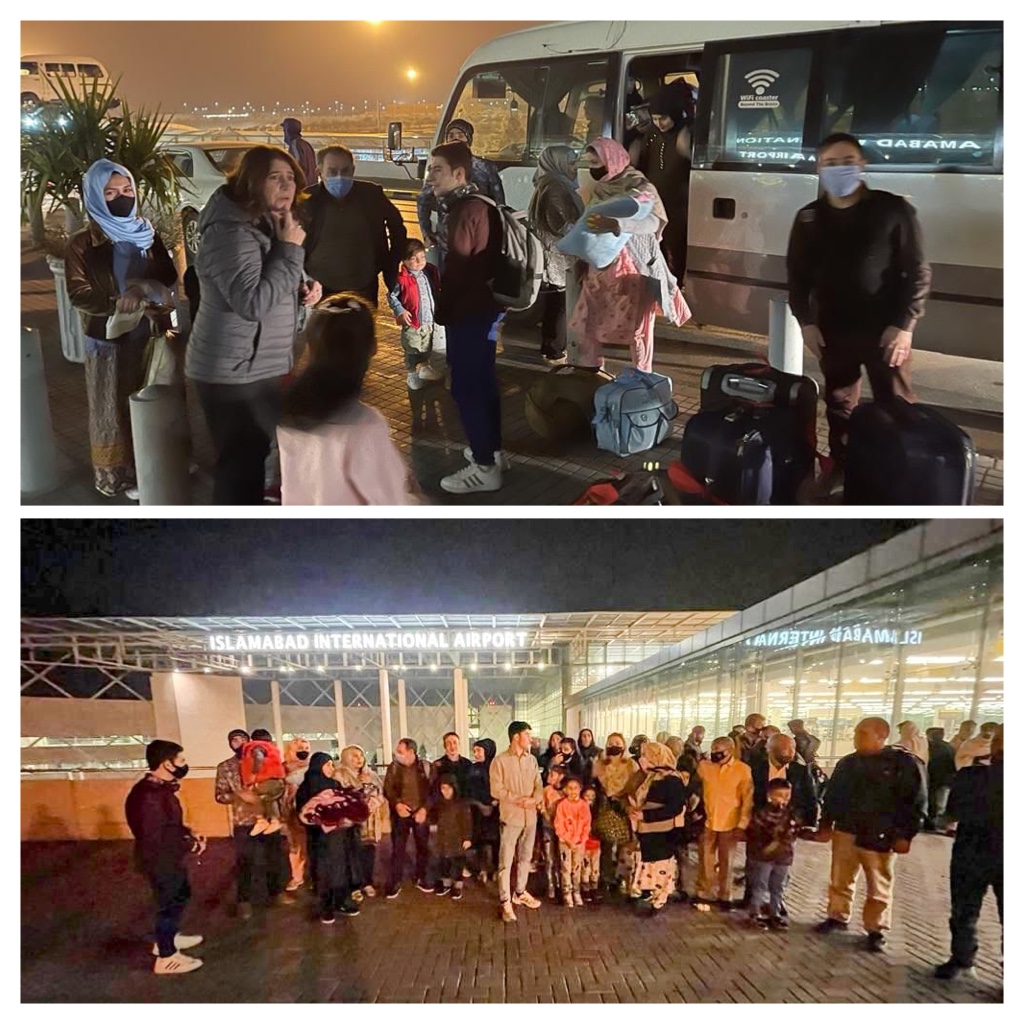
But God is at work, even in the terrible conditions playing out around the world. Over the last months since the forced exodus of so many from Afghanistan, our friends Ted and Claudia Limpic have been telling us one amazing story, not of exploitation but of extraordinary care.
Brazilian missionaries Samuel and Julia (not their real names) lived in Afghanistan for ten years, learning the language and loving the people. When many of their Afghan friends were able to flee to a nearby country at the end of August, Samuel and Julia joined them, and helped in every way they could. They had positive conversations with people at the Brazilian embassy there about granting humanitarian visas to the refugees. The process included translating for two family interviews per day (nine per week) and arranging travel to Brazil—amid opposition from the local authorities in their departure town.
Samuel and Julia (left) with Afghan refugees in their transition country
Meanwhile, an organization in Brazil worked hard to prepare a place for a growing number of Afghan refugees, building chalets for them. On Thanksgiving Day, the first group arrived in Brazil, and by Christmas Eve the remaining refugees of a total group of seventy arrived to start their new lives. Samuel and Julia are now getting a well-deserved rest in their hometown in Brazil. As Ted said, “Only God’s strong hand could have opened so many closed doors!”
On this third day of Christmas, when we remember and grieve the Holy Innocents, the children who died as Herod sought to eliminate the baby whom he viewed as a threat to his throne, I take comfort from Jesus himself becoming a refugee. Though he was a baby, his Father experienced through him the displacement, the grief, the many, many challenges.
Since the Son himself has gone throughsuffering and testing, he is able to help us when we are being tested. … So let us come boldly to the throne of our gracious God. There we will receive his mercy, and we will find grace to help us when we need it most (Hebrews 2:18, 4:16).
And as we receive mercy and grace, God can show us how to pass it on—perhaps even to refugees, as did Samuel and Julia.


 Debra Kornfield