
But God’s planting produces a harvest of love
Hosea 10:1-4, 12 The richer the people get, the more pagan altars they build. The hearts of the people are fickle. … They spout empty words and make covenants they don’t intend to keep. So injustice springs up among them like poisonous weeds in a farmer’s field. … The Lord says, “Plant the good seeds of righteousness, and you will harvest a crop of love.” Plow up the hard ground of your hearts, for now is the time to seek the Lord, that he may come and shower righteousness upon you.
In April 2013, I asked Karis how she wanted to celebrate her 30th birthday. By then she wasn’t very mobile and often rested in the recliner we positioned for her in our dining room, looking out on our back yard. Most Pittsburgh yards slope either up or down. Ours curves up with a flattish strip along the back fence.
For her 30th birthday (May 5, 2013), Karis requested turning the grass strip into a perennial garden, created with transplants from her friends’ gardens. As she enjoyed the flowers, she would remember their amazing and beautiful love for her.
A Notre Dame friend, Georges, offered to take on the project of transformation. With a borrowed rototiller, he broke up roots and plowing the grass under.
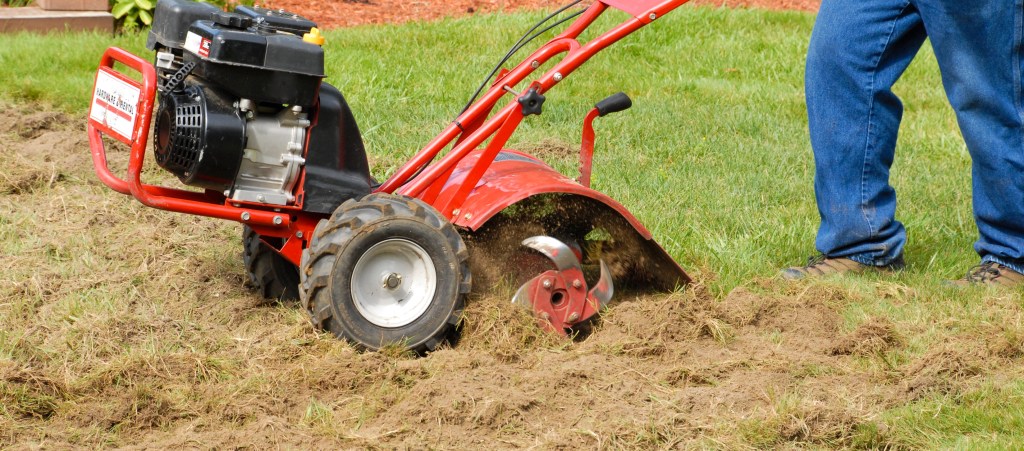
Once Georges declared the space ready, we invited friends to come over and plant something from their gardens. Spring brought a profusion of blooms to delight and encourage Karis as her kidney failure worsened.
All this came to mind when I read this passage from Hosea. Weeds (in our case, grass) can be dealt with several different ways. The most gentle and time-consuming is to pull them out. They can be killed with chemicals. Or they can be plowed, like Georges did to create Karis’s perennial garden, using sharp blades to destroy both the plants and their roots.
Through Hosea, God asked his people to plow up the hard ground of their hearts, so the seeds of righteousness could flourish. Georges’ rototilling illustrates for me how painful that work can sometimes be, when it’s not just a weed here or there, easy to pull out by hand, but rather a whole section of my heart given over to bad habits, attitudes, and behavior because of neglect or resentment or idolatry (something else becoming more important to me than loving God and others).
I’ve had to do some painful plowing of my heart the last couple of weeks. You too? I can’t wait to see the beautiful crop of love God promises to grow from his seeds of righteousness.

 Debra Kornfield