
But God faithfully keeps his word
Hebrews 2:17 Therefore, it was necessary for him [Jesus] to be made in every respect like us, his brothers and sisters, so that he could be our merciful and faithful High Priest before God.
John 1:14 So the Word became human and made his home among us. He was full of unfailing love and faithfulness.
In Chapter 7 of her book In His Image, Jen Wilkin identifies the written word of God, the Bible, as “our great Ebenezer, a memorial stone to the faithfulness of God. … Between its covers a glorious truth is repeated for our great benefit: God is worthy of our trust” (pages 100-101).
What does she mean by calling the Bible a “great Ebenezer”? 1 Samuel 7:12 says, “Samuel then took a large stone and placed it between the towns of Mizpah and Jeshanah. He named it Ebenezer (which means “the stone of help”), for he said, “Up to this point the Lord has helped us!” Samuel did this to memorialize a time when God intervened with a mighty thunderstorm to save his people from an invading army.
The Bible is full of wonderful “But God” stories of God’s faithfulness, to encourage us in our own hard times. Jen continues, “When we spend time in the Bible, our lives begin to bear witness to its faithful message. We ourselves become stones of remembrance for those around us, giving faithful testimony that God is worthy of our trust, no matter what (page 101).
Yesterday, Dave showed me this picture of fifty pastors and leaders in Venezuela who had just been gifted with the Biblia de Estudio para el Discipulado (Discipleship Bible).
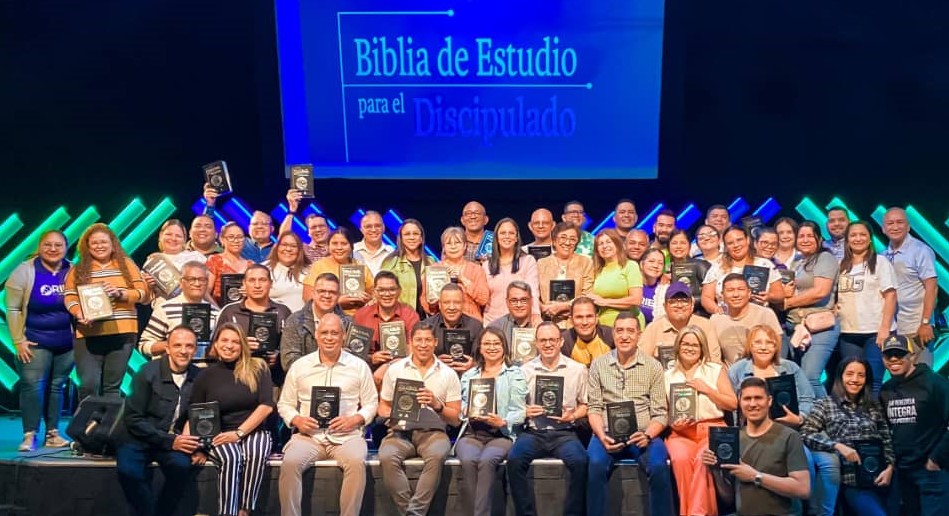
The picture triggered a memory of God’s faithfulness to Dave. For six years after Karis and I came to Pittsburgh for intestinal transplant, Dave and I lived on two different continents, always expecting Karis to get well enough for me to go home to Brazil. Finally, Dave realized Karis wasn’t going to get better, so he needed to move to Pittsburgh.
This felt to Dave like a punch in the gut. He was 100% engaged in ministry in Brazil. What would he do in Pittsburgh? Yet in agony of spirit, he took the necessary steps over the next year to obey what he knew God was asking him to do: give up Brazil and join Karis and me here.
But God had a plan. The week before he left São Paulo, Dave received a call from the Brazilian Bible Society asking him to write a Discipleship Bible in Portuguese.
Had Dave stayed in Brazil, he would never have found the time to write. In Pittsburgh, though, this work became his great joy, an eight-year project into which he could pour all that God had planted in him about being and making disciples of Jesus: 450 small group studies, notes for disciples of Jesus on every page, highlighting practical applications, introductions to each book noting what it had to offer disciplers, and a comprehensive index and cross-reference system.

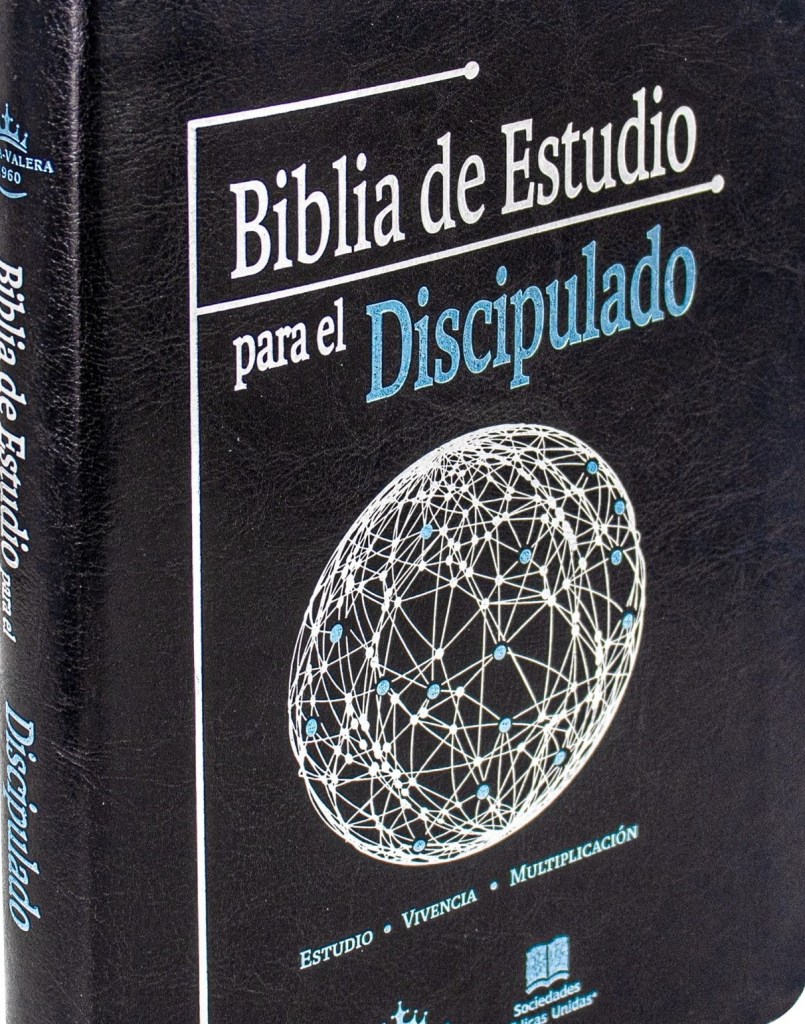
The Discipleship Bible was published in 2018 in Brazil, and last year in Spanish, in multiple printings already.
Dave was faithful to what he understood God was telling him to do, though the cost to him was great. God was faithful in giving Dave a project he could work on in the “foreign land” of Pittsburgh. All so people across Latin America and Brazil who want to walk closely with Jesus, open themselves to transformation by his Word, and help others do this also, could have access to the years of experience and all the passion and wisdom about disciplemaking God had poured into Dave across his lifetime.
What tough thing is God asking of you? Can you trust his faithfulness, even though you can’t yet see it?
All the Lord does is just and good,
and all his commandments are trustworthy.
They are forever true,
to be obeyed faithfully and with integrity.
Psalm 111:7-8

 Debra Kornfield